The Question We Hear Every Day
We get this statement a lot before we start an exam: "But I just did a stress test, and everything was fine."
Don’t worry—if your doctor has recommended a nuclear stress test after a normal traditional stress test, trust the process. Your doctor knows something important: a normal result on a traditional treadmill stress test does not mean your heart is truly healthy.
This post will explain why, and why nuclear stress testing is often necessary when your doctor wants to know the real story about your heart health.
Understanding Traditional Stress Testing
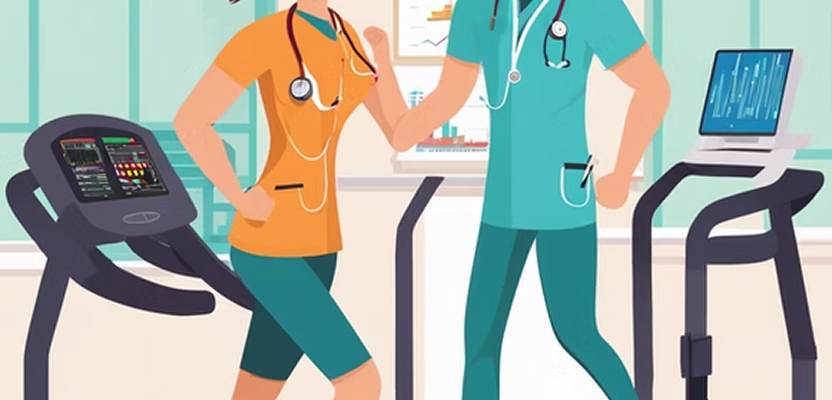
When you do a traditional treadmill stress test, your doctor evaluates several factors: your medical history, a baseline 12-lead EKG, your vital signs during exercise, how long you are able to exercise before reaching target heart rate, and any symptoms you experience.
From all this information, the doctor makes an educated guess about your risk for a cardiac event. It is based on relevant data and patterns seen in patients with similar medical profiles.
But here is the critical limitation: We can’t see inside your body to know exactly what is happening.
The treadmill stress test is essentially indirect—it observes your body’s response to stress but doesn’t directly visualize your coronary blood flow. It is like trying to diagnose an electrical problem in a house by watching the lights flicker, rather than actually inspecting the wiring.
The Dangerous Gap: When Normal Results Miss Real Problems
You may have heard of someone who passed a stress test, seemed fine, and then suffered a serious cardiac event weeks or months later. Or you have heard about the marathon runner in seemingly excellent health who suddenly collapsed.
Why does this happen? Often, it is because they only had a normal EKG stress test, not a nuclear stress test.
- The limitations of traditional treadmill stress tests are well-documented:
- False negatives are common. Studies show that traditional EKG stress tests miss approximately 10-15% of significant coronary blockages.
- Some patients can’t exercise adequately. Patients with arthritis, diabetes, or other conditions may not be able to reach target heart rate, limiting test validity.
- Blockages may not trigger EKG changes. A person can have severe coronary artery disease while their EKG remains normal during exercise.
- Medications interfere. Beta blockers and other cardiac medications can mask ischemic changes.
This is why your cardiologist might say, "Your stress test looks normal, but I want to do a nuclear study." They are being appropriately cautious.
What a Nuclear Stress Test Reveals
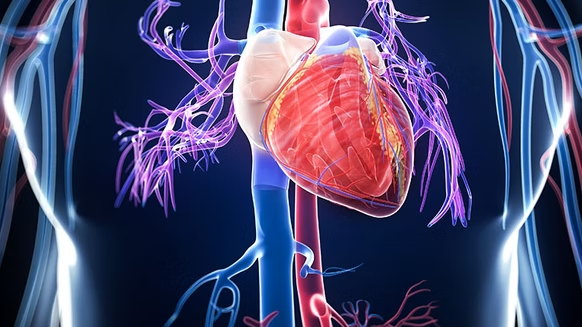
A nuclear stress test takes a fundamentally different approach. Instead of guessing based on indirect signs, it directly visualizes blood flow to your heart muscle.
Here is how it works:
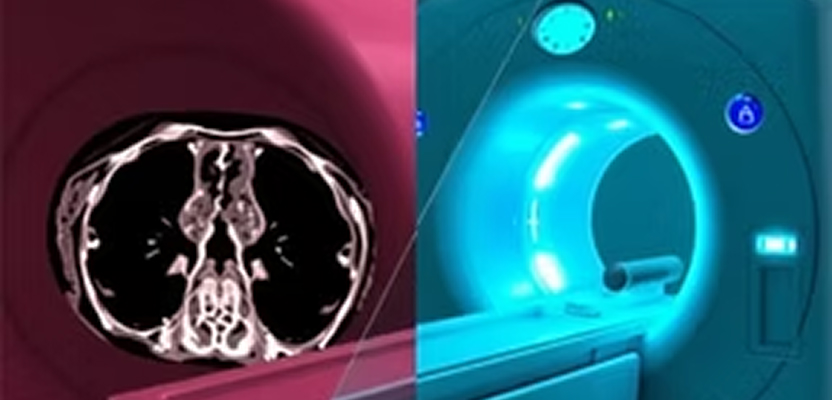
Your doctor injects a small amount of radioactive tracer into your bloodstream. This tracer travels to areas of your heart that are receiving adequate blood flow. Areas with poor blood flow (ischemia) or blockages show up as areas of reduced tracer uptake. Your doctor can literally see where your heart is not getting enough oxygen.
The test is performed at rest and again during stress (either on a treadmill or with medication if you cannot exercise). By comparing these images, your cardiologist can identify:
- Blockages in coronary arteries that limit blood flow to the heart muscle.
- Areas of ischemia (insufficient blood flow under stress) that indicate dangerous narrowing.
- Areas of infarcted tissue (previous heart attacks) that may have gone undetected.
- The severity and location of any disease, enabling targeted treatment.
- This is infinitely more informative than an educated guess based on EKG changes.
The House Analogy Revisited
Remember the house analogy? When buying a home, you would not inspect just the electrical system. Your heart requires the same comprehensive evaluation.
Your heart has multiple systems: the electrical system (EKG), the plumbing system (coronary blood flow), and the structural components (valves and chambers). A traditional stress test primarily evaluates the electrical system. A nuclear stress test directly visualizes the plumbing. An echocardiogram assesses structure.
All three perspectives matter.
Why Your Doctor Recommends It
If your cardiologist has recommended a nuclear stress test after a normal traditional stress test, consider these reasons:
- You have significant risk factors (family history, diabetes, previous cardiac events, ongoing symptoms).
- Your symptoms don’t match your test results (you feel fine, but your doctor has concerns, or you have symptoms the stress test didn’t trigger).
- The traditional test was inconclusive (you couldn’t exercise adequately, you are on interfering medications).
- You deserve peace of mind from an accurate test, not false reassurance from an incomplete one.
The Bottom Line: Trust the Process
A normal treadmill stress test is reassuring, but it is not the final word on your cardiac health. Nuclear stress testing provides the direct visualization of coronary blood flow that no traditional test can offer.
If your doctor recommends a nuclear stress test, it is because they want certainty—not guessing. And you deserve that same certainty.
Schedule Your Nuclear Cardiac Imaging with VIP Imaging
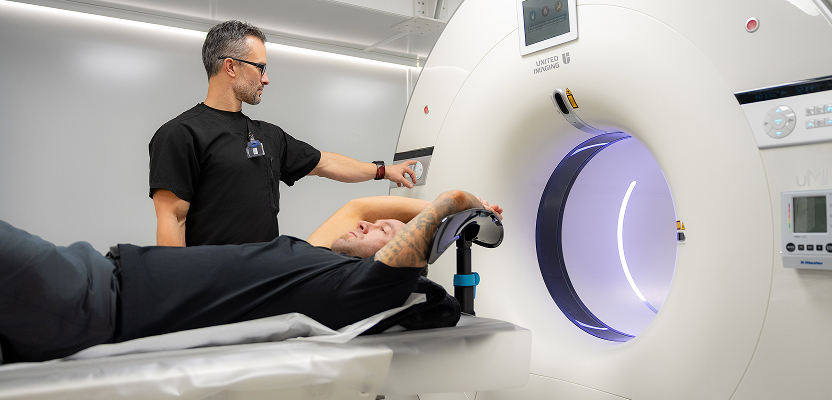
At VIP Imaging, we specialize in advanced nuclear cardiac imaging throughout Southern California. Our mobile PET/CT cardiac stress testing combines the precision of nuclear imaging with the convenience of coming to you.
We have helped thousands of Southern California patients get the accurate cardiac assessment they deserve. Our board-certified nuclear cardiologists and technicians use the latest imaging technology to give your doctor the complete, detailed information needed for confident diagnosis and treatment planning.
If your cardiologist has recommended nuclear stress testing, or if you want the most accurate cardiac assessment available, contact VIP Imaging today. Let us bring state-of-the-art cardiac imaging to your community.